Recovery after a stroke is a gradual process that benefits from a coordinated, multi-disciplinary approach. Ayurveda has a long tradition of supporting neuro-rehabilitation through therapies aimed at nourishing nerve tissue and supporting motor recovery.
At Herbal Park, Dr. Vahab R A offers Ayurvedic therapies as a complement to your existing stroke rehabilitation care — never a replacement — working alongside your neurologist and physiotherapist to support your recovery timeline.

What Causes Post-Stroke Rehabilitation?
While the causes of stroke itself are medical and vary by type, recovery outcomes are influenced by:
- Time since the stroke event — earlier structured rehabilitation generally supports better outcomes
- Consistency of rehabilitation therapy
- Underlying cardiovascular risk factors requiring ongoing management
- Nutritional status supporting tissue repair
- Emotional wellbeing, which significantly affects rehabilitation engagement
- Depleted Ojas and aggravated Vata in the Ayurvedic understanding of post-stroke weakness
Post-stroke weakness is understood in Ayurveda as a severe Vata disorder affecting the Majja Dhatu (nerve tissue) — therapies focus on nourishing this depleted tissue and supporting the nervous system's capacity for recovery, alongside conventional neuro-rehabilitation.
Common Symptoms of Post-Stroke Rehabilitation
Common post-stroke presentations that Ayurvedic support may address include:
- Residual weakness or reduced coordination on one side
- Fatigue during and after rehabilitation exercises
- Muscle stiffness or spasticity
- Emotional changes, including frustration or low mood during recovery
- Sleep disturbance during the recovery period
- Slower-than-expected progress in physiotherapy
Post-stroke care must always be led by your neurology and rehabilitation medicine team; Ayurvedic therapy here is intended strictly as a complementary support alongside that care.
Dr. Vahab's Treatment Approach for Post-Stroke Rehabilitation
Every case at our Abu Dhabi clinic begins with a detailed clinical assessment — not a generic protocol.
1. Detailed Consultation and Assessment
A detailed review of your stroke history, current rehabilitation plan, and functional status, conducted in coordination with — never in place of — your neurology and physiotherapy team.
2. External Therapies (Bahya Chikitsa)

Abhyanga
Warm-oil massage adapted to your affected side, aimed at supporting circulation, muscle tone, and comfort during the rehabilitation process.
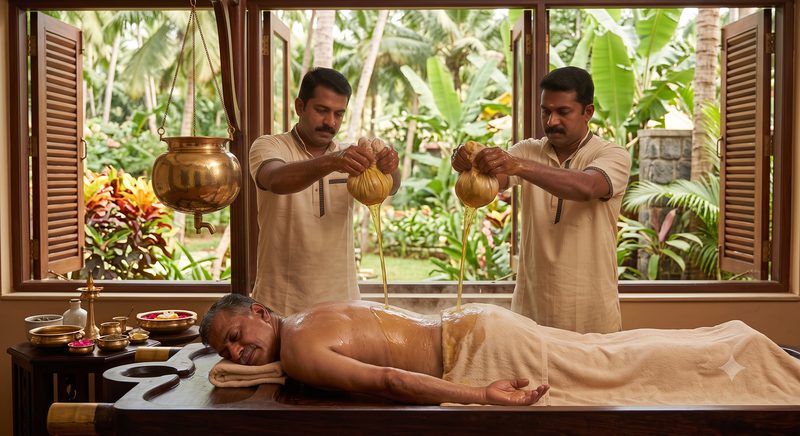
Pizhichil
Continuous warm medicated oil poured over the body, used in classical Ayurveda to support nerve tissue nourishment during neuro-rehabilitation.
3. Internal Medication
Rasayana formulations specifically indicated for nerve tissue support and recovery, alongside general strength-building herbal formulations — always reviewed against your current medication.
4. Lifestyle Correction
Coordination with your physiotherapy schedule, nutritional guidance to support tissue repair, and emotional support integrated alongside the physical therapies.
5. Weekly Review and Progression
Given the nature of stroke recovery, protocols are typically structured over eight to twelve weeks with ongoing review, coordinated closely with your neurology and physiotherapy follow-up schedule.
Benefits of Ayurvedic Treatment for Post-Stroke Rehabilitation
Why Choose Dr. Vahab for Post-Stroke Rehabilitation Treatment in Abu Dhabi
- 15+ years of clinical experience under Dr. Vahab R A, MD Ayurveda, DOH Certified
- DOH-licensed facility — fully compliant with UAE Department of Health regulatory standards
- Authentic Panchakarma therapies performed by trained therapists under direct physician supervision
- GMP-certified classical formulary, sourced from Kerala manufacturers with full batch traceability
- Digital case-sheet documentation for every visit
- Unhurried consultations — no overbooking, real time for assessment and follow-up
Frequently Asked Questions
Will this replace my physiotherapy?
No. Ayurvedic therapy here is designed to complement your physiotherapy and neuro-rehabilitation, never replace it. Your rehabilitation team should remain your primary point of care.
How soon after a stroke can this therapy begin?
This depends entirely on your medical clearance and current stability. We coordinate timing with your treating physician before beginning any therapy.
Can this help with muscle stiffness or spasticity?
Some patients find Abhyanga supportive for muscle comfort and tone, though spasticity management should remain primarily guided by your neurology team.
Do you coordinate with my neurologist and physiotherapist?
Yes — we review your current care plan and aim to complement it, and can provide documentation of the Ayurvedic care you're receiving if requested.
Is this suitable for both recent and long-term stroke survivors?
Yes, both are seen, though the treatment focus and expectations differ depending on how long post-stroke you are and your current functional status.
Book Your Post-Stroke Rehabilitation Consultation Today
Looking for complementary support during stroke recovery? Speak with a DOH-certified Ayurvedic physician in Abu Dhabi about a coordinated care plan.