
Frozen shoulder — medically known as adhesive capsulitis — causes progressive stiffness and pain in the shoulder joint, often severely limiting arm movement for months at a time. It's particularly common in adults over 40 and in those recovering from prolonged immobility.
At Herbal Park, Dr. Vahab R A treats frozen shoulder with therapies designed to restore joint lubrication and mobility gradually, rather than forcing movement through pain — an approach well suited to a condition that worsens with aggressive manipulation.

What Causes Frozen Shoulder?
Frozen shoulder often develops without an obvious single trigger, but common contributing factors include:
- Prolonged shoulder immobility — after injury, surgery, or illness
- Diabetes, which significantly raises the risk of adhesive capsulitis
- Thyroid disorders, linked to higher incidence
- Age — most common between 40 and 60 years
- Previous shoulder injury or repetitive strain
- Prolonged Vata aggravation from irregular routines and tissue dehydration
Frozen shoulder is classified in Ayurveda as a Vata-Kapha disorder affecting the shoulder's Sandhi (joint) — aggravated Vata causes stiffness and pain, while accumulated Kapha contributes to the thickening of joint tissue that restricts movement.
Common Symptoms of Frozen Shoulder
The condition typically progresses through recognizable stages:
- Gradual onset of dull, aching shoulder pain
- Progressive stiffness making overhead or behind-the-back movement difficult
- Pain that worsens at night, disrupting sleep
- Significant reduction in shoulder range of motion
- Difficulty with everyday tasks — dressing, reaching, driving
- A frozen/plateau phase where stiffness dominates over pain
Frozen shoulder can take months to over a year to resolve untreated, which is why early, structured intervention often shortens the overall timeline.
Dr. Vahab's Treatment Approach for Frozen Shoulder
Every case at our Abu Dhabi clinic begins with a detailed clinical assessment — not a generic protocol.
1. Detailed Consultation and Assessment
A thorough evaluation of the stage of frozen shoulder (freezing, frozen, or thawing), range-of-motion testing, and review of contributing factors such as diabetes or thyroid status.
2. External Therapies (Bahya Chikitsa)

Abhyanga
Warm-oil massage focused on the shoulder joint and surrounding muscles to gradually improve circulation and reduce stiffness without forcing painful movement.
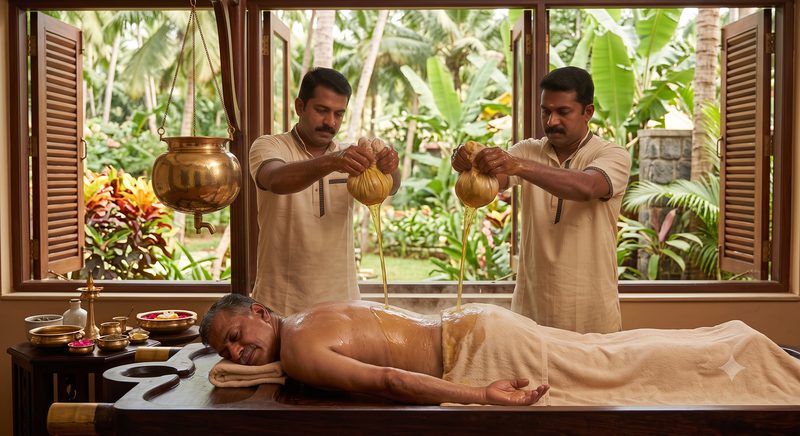
Pizhichil
Continuous warm medicated oil poured over the shoulder and upper body, helping to soften tissue and gradually restore joint mobility.
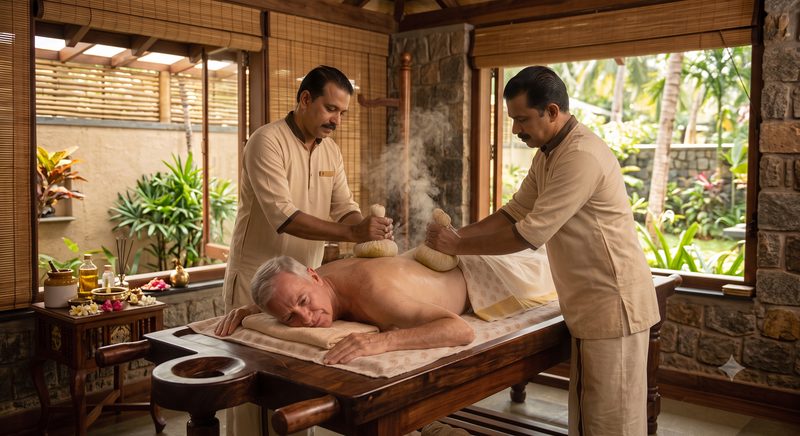
Patra Pinda Sweda
Heated herbal-leaf poultices applied to the shoulder region to reduce stiffness and support gentle mobilization.
3. Internal Medication
Classical anti-inflammatory and Vata-Kapha balancing formulations to support joint lubrication and reduce stiffness from within, alongside the external therapies.
4. Lifestyle Correction
Gentle, physician-guided range-of-motion exercises introduced progressively as stiffness reduces, along with advice on sleep positioning to minimize night pain.
5. Weekly Review and Progression
Frozen shoulder protocols typically run six to twelve weeks given the condition's naturally slow progression, with regular review to track range-of-motion improvement.
Benefits of Ayurvedic Treatment for Frozen Shoulder
Why Choose Dr. Vahab for Frozen Shoulder Treatment in Abu Dhabi
- 15+ years of clinical experience under Dr. Vahab R A, MD Ayurveda, DOH Certified
- DOH-licensed facility — fully compliant with UAE Department of Health regulatory standards
- Authentic Panchakarma therapies performed by trained therapists under direct physician supervision
- GMP-certified classical formulary, sourced from Kerala manufacturers with full batch traceability
- Digital case-sheet documentation for every visit
- Unhurried consultations — no overbooking, real time for assessment and follow-up
Frequently Asked Questions
How long does frozen shoulder treatment take?
Given the condition's naturally slow progression, protocols typically run six to twelve weeks, with gradual improvement in mobility tracked at each stage.
Will therapy be painful given how stiff my shoulder already is?
Therapies are applied gently and progressively — the goal is to reduce stiffness without forcing painful movement, which can worsen the condition.
Is frozen shoulder linked to diabetes?
Yes, diabetes significantly increases the risk of frozen shoulder. If you have diabetes, this is factored into your assessment and treatment plan.
Can I continue physiotherapy alongside this treatment?
Often yes — we review your existing physiotherapy and coordinate treatment accordingly, adjusting intensity as your mobility improves.
Is surgery avoidable with Ayurvedic treatment?
Many patients see significant improvement without surgical intervention, though severity and duration of symptoms are assessed individually to set realistic expectations.
Book Your Frozen Shoulder Consultation Today
Don't let frozen shoulder limit your daily movement for months on end. Get a staged, structured treatment plan from a DOH-certified Ayurvedic physician in Abu Dhabi.